The rule of thumb: 40–60 percent of current retail
A clean, working KitchenAid sells for roughly 40 to 60 percent of what that model costs new today, not what you paid for it. That's dramatically better than most kitchen appliances (a used air fryer is lucky to fetch a quarter of retail), and it's why "just donate it" is usually a $150 mistake with these machines.
By model
| Model | What it is | Typical used range* |
|---|---|---|
| Classic (4.5-qt) | The entry tilt-head | $100–180 |
| Artisan (5-qt) | The one everyone has | $150–280 |
| Professional 600 / 5+ (bowl-lift) | Bigger motor, 6-qt bowl | $200–350 |
| Commercial / 8-qt | NSF-rated workhorses | $350+, niche but real demand |
| Vintage Hobart-era (K5-A, K45) | Pre-1986, built like tanks | Collector market; condition-dependent, often $150–400 |
*Ranges reflect typical sold listings in mid-2026 for clean, working machines. Always check sold comps for your exact model and color, which brings us to color.
Three things that move the price
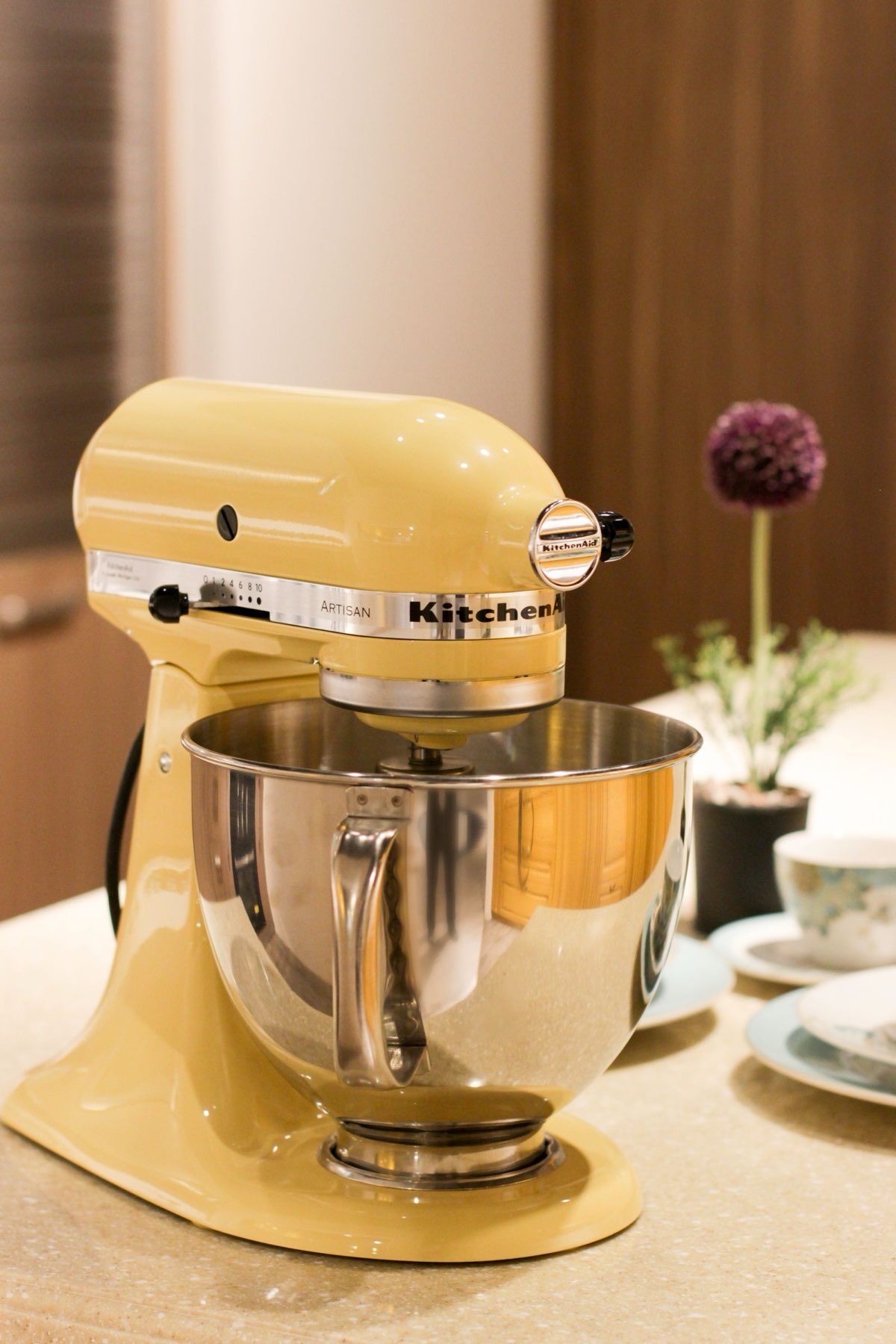
Color, weirdly, matters a lot. Buyers replacing a mixer often search by color to match their kitchen, and discontinued shades can carry a real premium over the default black/white/silver. If your mixer is an odd color, that's an asset; search sold listings for the color by name.
Attachments change the math. The pasta roller alone retails north of $150; a meat grinder, ice cream bowl, or shredder each add real money. Decide deliberately: bundling attachments makes the listing sell faster, but selling them separately usually nets more total.
Even broken ones sell. KitchenAids are so repairable that there's a standing market of hobbyists who fix and flip them. A mixer that won't turn on is typically still a $40–80 parts machine. Describe the fault honestly and someone will take it off your counter.
Pricing yours in three steps
- Find the model number (metal band or sticker on the body) and check what that model costs new right now.
- Search eBay sold listings for the model and color. Ignore asking prices; sold prices only.
- Price at the middle of the sold range, mention the attachments, and photograph it clean. Mixers photographed next to flour dust sell; mixers photographed in a garage don't.
Or do none of that: this lookup (identify the model, pull the comps, set the price) is precisely what Offload automates from a single photo. It'll also write the listing and handle the "would you take $80?" messages for you. (Yes, this is our product; the price guide above is real either way.)
One photo. Priced, listed, negotiated.
Offload identifies your item, prices it against real comps, and negotiates with buyers, never below your floor. Free unless it sells.
Pre-order on the App Store